
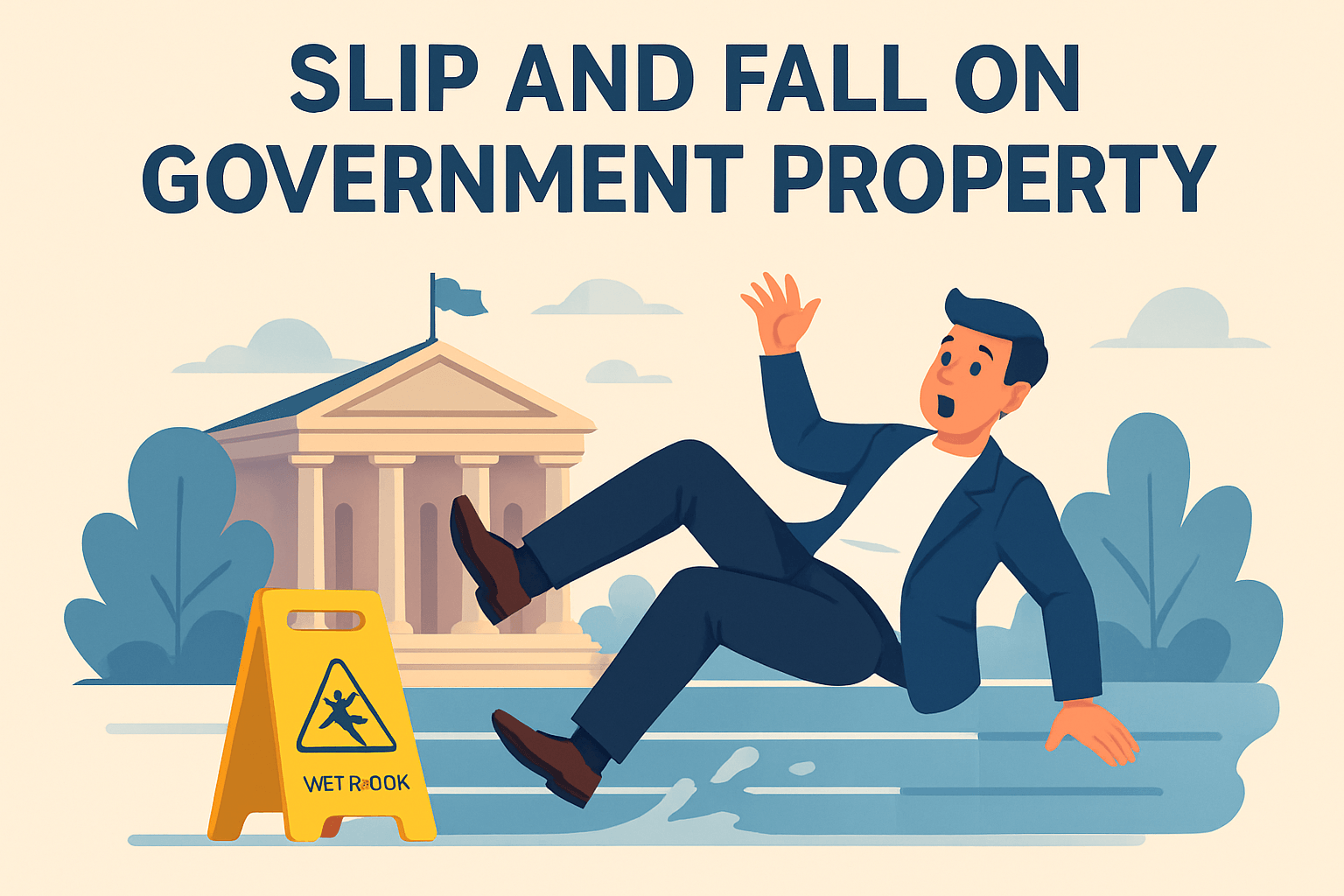
A slip and fall accident on government property can leave you with serious injuries, mounting medical bills, and uncertainty about your legal rights. Whether the accident occurred at a city building, public park, courthouse, government office, public sidewalk, or another publicly owned property, these cases are often far more complicated than traditional premises liability claims.
Many people assume they cannot sue a government agency after being injured on public property. While government entities do have certain legal protections, there are situations where injured victims may have the right to pursue compensation. Determining whether a claim exists requires a careful investigation into who owned the property, who was responsible for maintaining it, and what caused the dangerous condition.
If you have been injured on government-owned property, an experienced government property slip and fall lawyer in Scranton can evaluate your case and explain your legal options. At The Moran Law Group, we help injury victims throughout Northeastern Pennsylvania navigate complex premises liability claims and pursue compensation when negligence causes serious injuries.
If you are searching for a slip and fall attorney in Scranton there is no other law firm that our residents trust more than The Moran Law Group. Our attorneys are prepared to investigate your accident and determine whether a government entity or another responsible party may be liable. To get started on your claim, please contact us today
What Is Government Property?
Government property includes land and buildings owned or maintained by federal, state, county, or local government agencies. While each type of property is governed by different laws, all require reasonable maintenance to protect visitors from unnecessary hazards.
Examples of government property include:
- City halls
- Courthouses
- Public libraries
- Municipal buildings
- Public schools
- State office buildings
- Public parks
- Recreation facilities
- Public sidewalks
- Government parking lots
- Public transportation facilities
- Community centers
- Public housing
- Government-owned stairways and walkways
An injury occurring on any of these properties may involve different legal procedures than a slip and fall on private property.
Common Causes of Government Property Falls
Government agencies are responsible for maintaining countless public spaces. Unfortunately, dangerous conditions sometimes go unnoticed or remain unrepaired for extended periods.
Common hazards include:
Uneven Sidewalks
Cracked sidewalks, raised concrete sections, potholes, and deteriorating pavement frequently cause pedestrians to trip and fall.
Broken Stairways
Loose steps, damaged railings, missing handrails, or deteriorating staircases create significant risks for visitors entering government buildings.
Snow and Ice
Public sidewalks, courthouse entrances, municipal parking lots, and government walkways can become dangerous during Pennsylvania winters if snow and ice are not addressed.
Poor Lighting
Dimly lit parking lots, stairwells, and walkways make it difficult to identify hazards, increasing the likelihood of a fall.
Damaged Flooring
Inside government buildings, loose floor tiles, torn carpeting, wet floors, and uneven surfaces can create dangerous walking conditions.
Inadequate Maintenance
Failure to repair known hazards or inspect public property regularly may contribute to preventable accidents.
Are Government Agencies Always Protected?
One of the biggest misconceptions about these cases is that government agencies can never be sued.
While government entities often have legal protections that private businesses do not, there are circumstances where claims may be allowed.
Whether a claim can proceed depends on several factors, including:
- The type of government entity involved
- The location of the accident
- The condition that caused the injury
- Who maintained the property
- Whether legal exceptions apply
Because these rules are complex, it is important to speak with an attorney as soon as possible after the accident.
Who May Be Responsible?
Determining liability is often one of the most challenging parts of these cases.
Although an accident may occur on government property, another organization may actually be responsible for maintaining the area.
Potentially responsible parties include:
- Municipal governments
- Counties
- State agencies
- School districts
- Public authorities
- Maintenance contractors
- Snow removal companies
- Property management companies
- Construction contractors
For example, a city may own a building while a private contractor is responsible for maintaining the parking lot or removing snow and ice. A careful investigation is necessary to determine who had responsibility for the dangerous condition.
An experienced government property slip and fall lawyer can identify all potentially responsible parties before important evidence disappears.
Why Acting Quickly Matters
Government-related injury claims often involve shorter deadlines and additional legal requirements than claims against private property owners.
Waiting too long may jeopardize your ability to pursue compensation.
Prompt action also helps preserve valuable evidence, including:
- Surveillance video
- Maintenance records
- Inspection logs
- Incident reports
- Witness statements
- Photographs
- Weather conditions
The sooner an investigation begins, the easier it is to determine exactly what caused the accident.
Evidence That Can Strengthen Your Claim
Successful premises liability claims depend on evidence.
Important evidence may include:
Photographs
Photograph the exact location of the accident before repairs are made or conditions change. Capture the hazard from multiple angles, along with the surrounding area and any warning signs.
Incident Reports
Report the accident immediately to the appropriate government office or employee. Request that the incident be documented.
Witnesses
If anyone saw the accident or noticed the dangerous condition beforehand, obtain their names and contact information.
Maintenance Records
Maintenance schedules, inspection logs, repair requests, and work orders may establish whether the responsible party knew about the hazard before the accident occurred.
Surveillance Footage
Many government buildings and public facilities use security cameras that may capture the accident or the dangerous condition before the fall.
Common Injuries After a Government Property Fall
Slip and fall accidents on public property frequently cause serious injuries requiring extensive medical treatment.
Common injuries include:
- Broken hips
- Broken wrists
- Broken ankles
- Shoulder injuries
- Knee injuries
- Neck injuries
- Back injuries
- Herniated discs
- Traumatic brain injuries
- Concussions
- Spinal cord injuries
- Soft tissue injuries
Many victims require surgery, rehabilitation, physical therapy, and extended time away from work.
What Compensation May Be Available?
If your claim is successful, compensation may include:
- Medical expenses
- Future medical treatment
- Lost wages
- Reduced earning capacity
- Pain and suffering
- Emotional distress
- Permanent disability
- Rehabilitation expenses
- Loss of enjoyment of life
The amount available depends on the circumstances of the accident, the severity of the injuries, and the applicable laws governing the claim.
How Moran Law Group Can Help
Government premises liability claims require prompt investigation and an understanding of Pennsylvania’s unique legal procedures.
Our attorneys investigate:
- Property ownership
- Maintenance responsibilities
- Inspection records
- Surveillance footage
- Maintenance contracts
- Witness statements
- Medical evidence
- Applicable legal deadlines
If another party’s negligence caused your injuries, we will work to pursue the compensation you deserve.
If you need a slip and fall attorney in Scranton, The Moran Law Group is ready to help. Contact us today.
Slip and Fall Resource Center
To learn more about slip and fall accidents, common injuries, liability, and your legal rights after a serious fall, explore our comprehensive resource center:
Slip and Fall Attorney Scranton
Store and Supermarket Fall Claims: What You Need to Know After a Retail Store Slip and Fall Ice and Snow Slip and Fall Accidents
Ice and Snow Slip and Fall Accidents
Proving Negligence in Slip and Fall Cases
Contact Moran Law Group
Government injury claims can be complicated, but you do not have to navigate the legal process alone.
Contact Moran Law Group today for a free consultation. Our experienced attorneys will review your case, explain your rights, and determine whether you may have a claim for compensation.
Frequently Asked Questions About Slip and Fall on Government Property
Can I sue a government agency after a slip and fall accident?
Yes, in some situations. Although government agencies have certain legal protections, Pennsylvania law allows claims under specific circumstances. Whether you have a case depends on where the accident occurred, the condition that caused your injuries, and which government entity owned or maintained the property. Because these claims involve unique legal requirements and deadlines, it is important to speak with an attorney as soon as possible. An early investigation can determine whether an exception applies and help preserve evidence needed to support your claim.
What should I do after falling on government property?
Seek medical attention immediately, even if your injuries seem minor. If you are physically able, take photographs of the dangerous condition, the surrounding area, and any visible injuries before conditions change. Report the accident to the appropriate government employee or agency and ask that an incident report be completed. Obtain contact information from witnesses and preserve the shoes and clothing you were wearing. Because government claims often involve strict procedural requirements, contacting an attorney quickly can help protect your rights and preserve important evidence before it disappears.
What types of government property fall accidents are most common?
Government property accidents occur in many locations, including public sidewalks, municipal buildings, parks, schools, courthouses, libraries, parking lots, and government offices. Common hazards include broken sidewalks, uneven pavement, damaged stairways, poor lighting, wet floors, snow and ice, loose handrails, and inadequate maintenance. While every accident is different, the key issue is often whether the responsible party failed to maintain reasonably safe conditions or correct a dangerous hazard within a reasonable period after becoming aware of the problem.
Who may be responsible for maintaining government property?
Responsibility is not always as straightforward as it appears. A city, county, or state agency may own the property, while a private contractor handles maintenance, snow removal, landscaping, or repairs. In other situations, multiple parties may share responsibility for different portions of the property. An experienced attorney can investigate ownership records, maintenance agreements, inspection logs, and contracts to determine who was responsible for the condition that caused your injuries and whether multiple parties may be legally liable.
Why should I hire an attorney for a government property injury claim?
Government premises liability claims are often more complicated than claims against private businesses because they involve different legal rules, procedural requirements, and deadlines. An attorney can investigate the accident, identify responsible parties, preserve surveillance footage and maintenance records, communicate with government agencies, and ensure important deadlines are met. Insurance companies and government entities frequently dispute liability, making experienced legal representation essential. Having an attorney allows you to focus on your recovery while your legal team works to build the strongest possible claim on your behalf.